
Which diamond blade do you need for porcelain tiles?
A plain-English guide to choosing a diamond blade or disc for porcelain, ceramic, stone and brick: wet vs dry cutting, 106mm vs 115mm vs 125mm, and when you need a cup wheel.
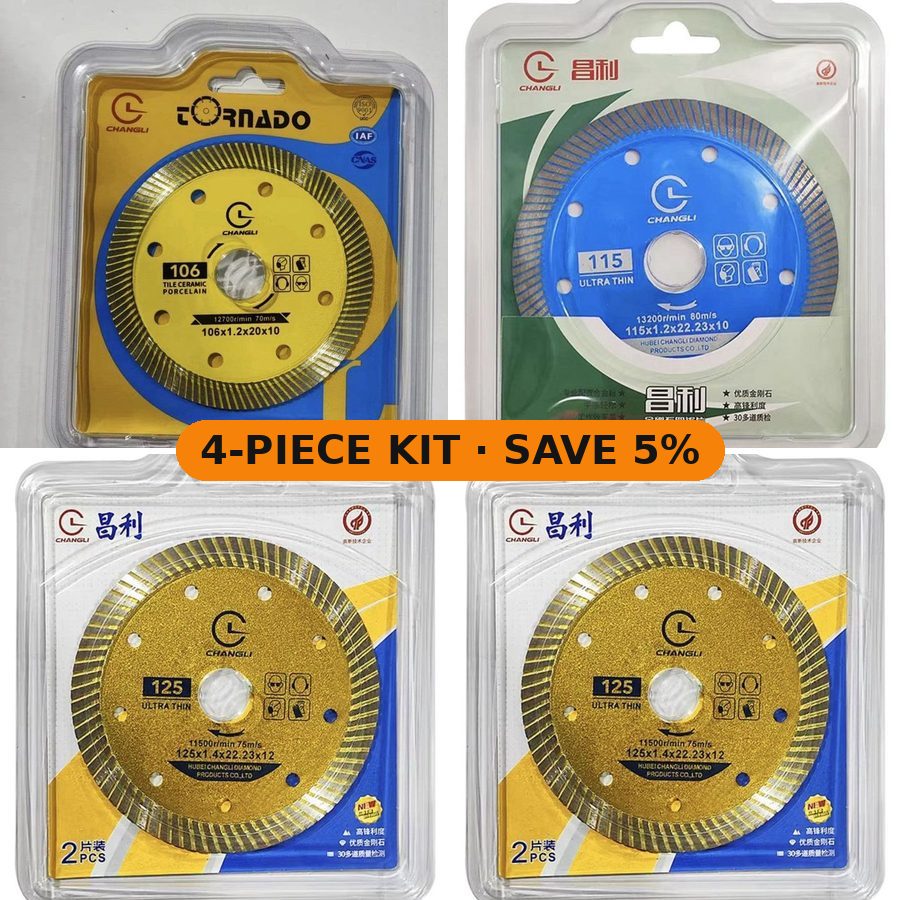 Tiler's Diamond Disc Kit£23.27
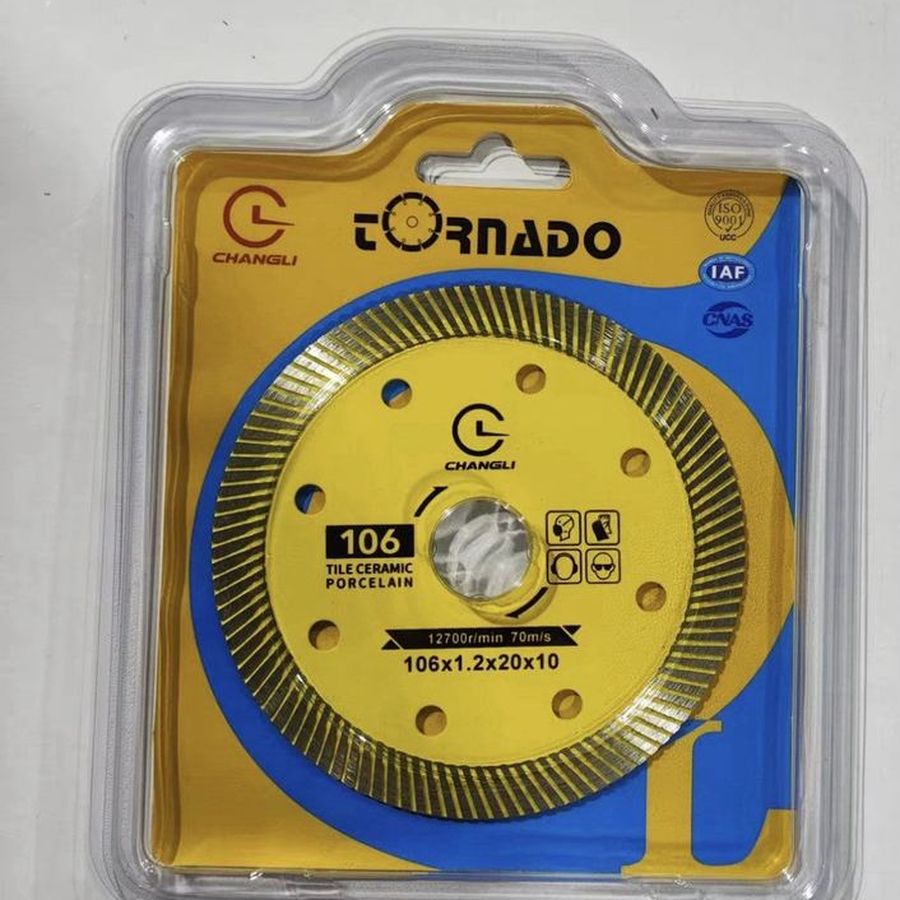 106mm Diamond Saw Blade£5.37
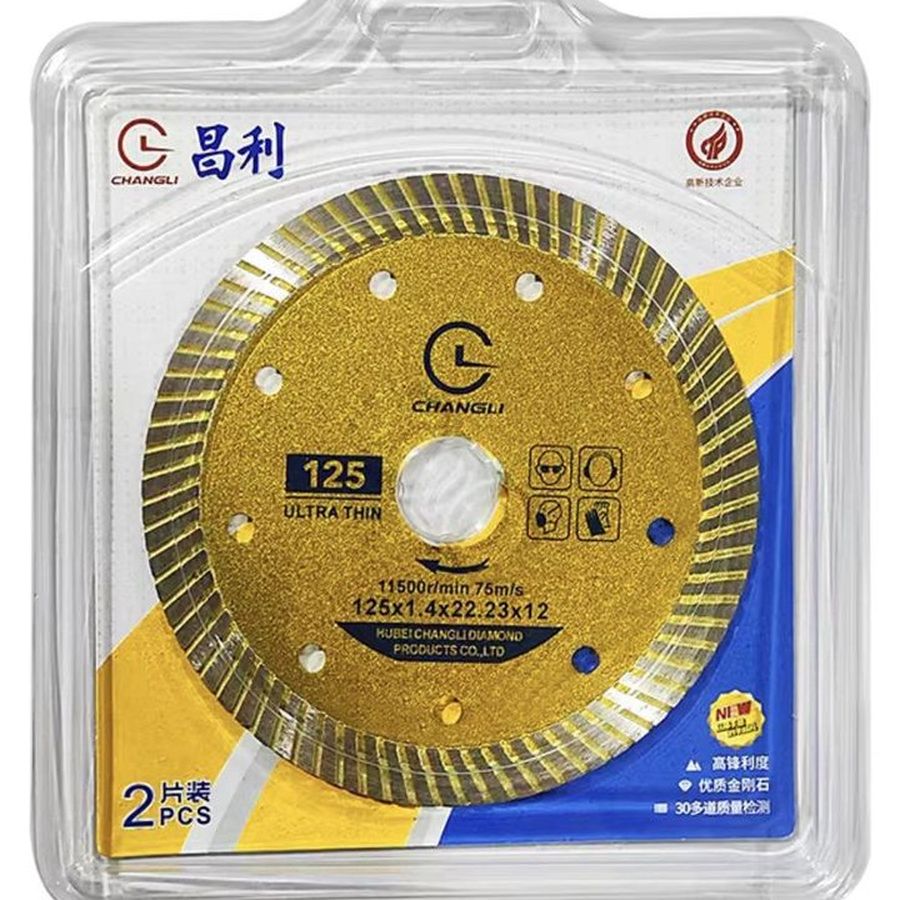 125mm Thin Diamond Angle Grinder Disc£6.43
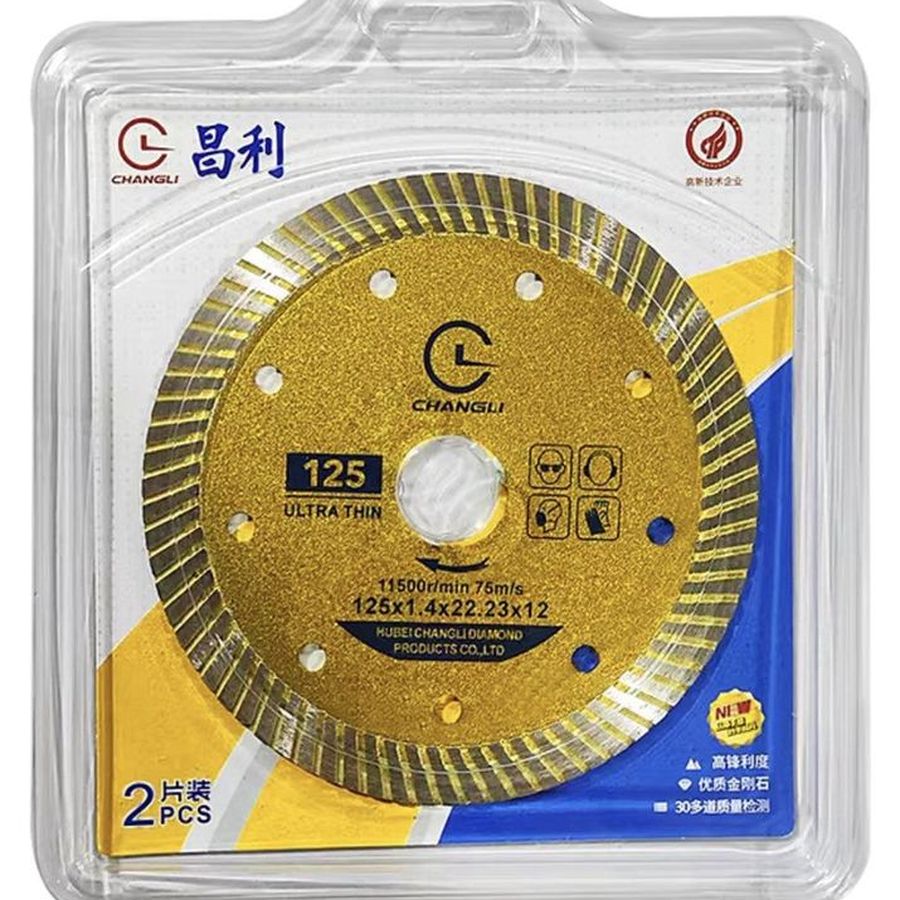 125mm Diamond Grinding Cup Wheel£6.26
Porcelain is harder and denser than ceramic, so a cheap abrasive disc will chip the glaze and wear out fast. A diamond blade cuts by grinding with industrial diamond grit, which gives a cleaner edge and lasts far longer. The right one depends on your tool and the job.
1. Match the blade to your tool
- Small wet saws and 4.5" (115mm) grinders usually take a 106mm–115mm blade. Check the maximum size printed on your tool's guard.
- 5" (125mm) angle grinders take 125mm discs, which give a deeper cut for thick slabs and worktops.
- Always check the bore (centre hole) matches your arbor, and never fit a blade rated below your tool's RPM.
2. Wet or dry cutting?
- Wet cutting keeps the blade cool, controls dust and gives the cleanest finish on porcelain. The 106mm diamond saw blade (£5.37) is made for wet saws and angle grinders.
- Dry cutting is handy for quick cuts on site where water isn't practical. The 106mm dry cutting disc (£5.23) cuts tile, vitrified brick and stone. Cut in short passes and let the disc cool.
3. Thin discs for neat, chip-free cuts
A thin rim removes less material, so there's less chipping on glazed edges. Use the 125mm thin diamond disc (£6.43) for visible cuts on porcelain, granite and marble, or the 115mm diamond disc (£6.43) on a 115mm grinder.
4. Cup wheels are for grinding, not cutting
A 125mm diamond cup wheel (£6.26) grinds and levels concrete, stone and granite: smoothing high spots, shaping edges or removing adhesive. Don't use it to cut tiles.
Get the whole set
If you tile regularly, the Tiler's Diamond Disc Kit (£23.27) gives you the wet saw blade, 115mm disc, 125mm thin disc and cup wheel together for 5% less than buying them separately.
Safety basics
- Wear eye protection, ear defenders and a dust mask (FFP3 for dry cutting silica-rich materials).
- Keep the guard on and let the blade reach full speed before cutting.
- Don't force the cut. Let the diamonds do the work.