
Aromatherapy diffusers: ultrasonic, nebuliser or oil burner?
A simple guide to essential oil diffusers in the UK: how ultrasonic atomisers, waterless nebulisers and oil burners differ, which is best for each room, and how to use essential oils safely.
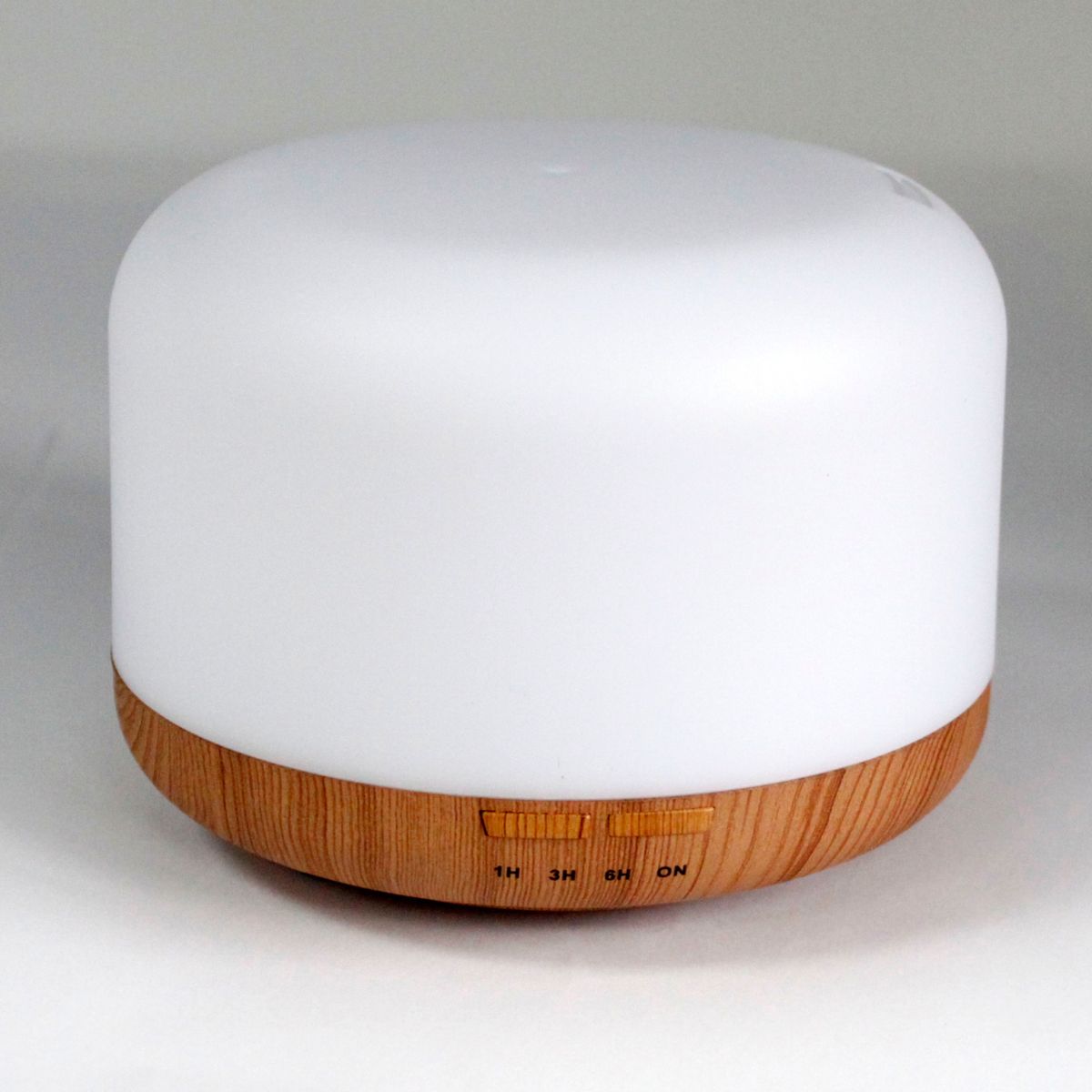 Aarhus AtomiserSee price
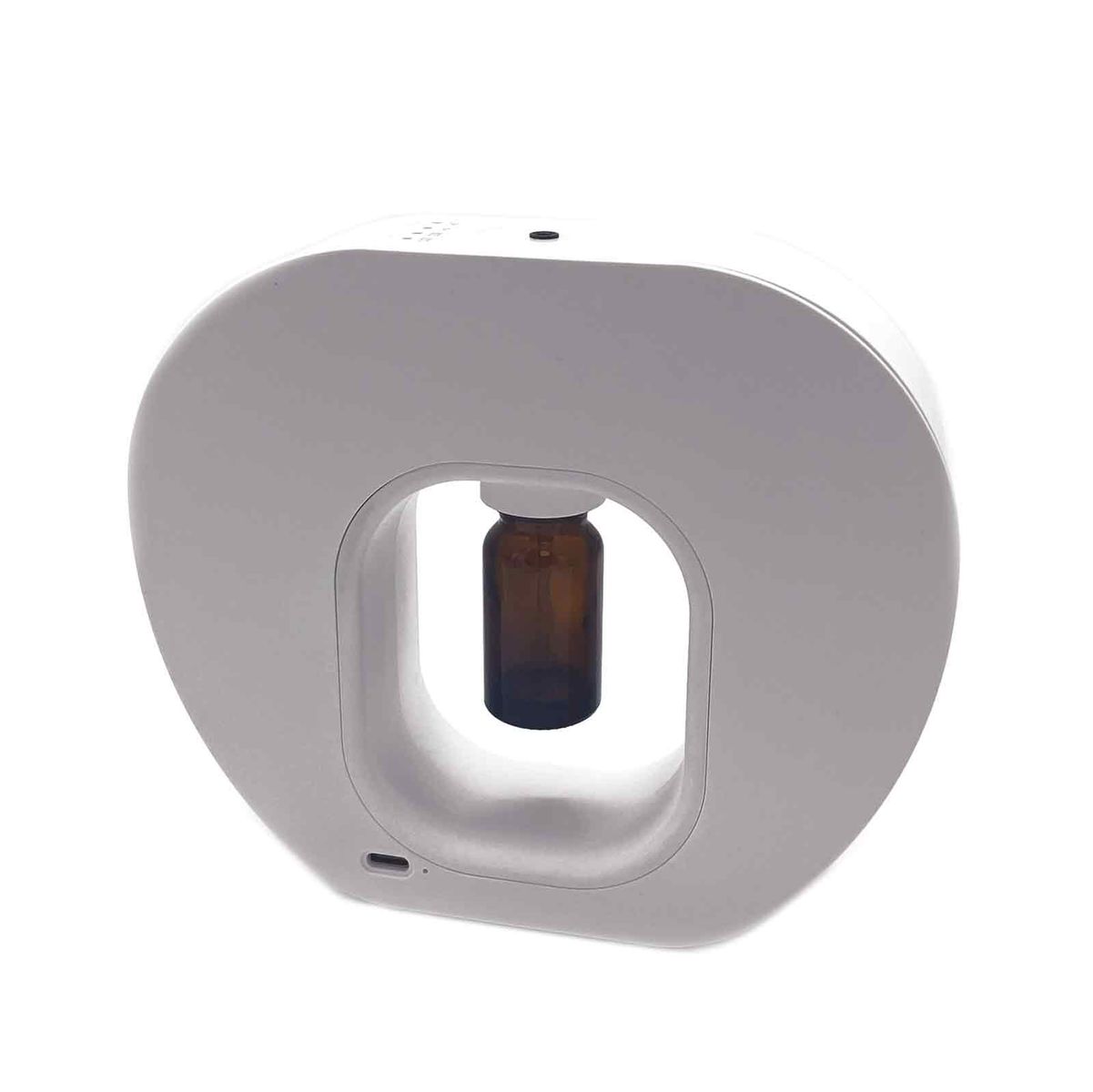 Dry Aromatherapy DiffuserSee price
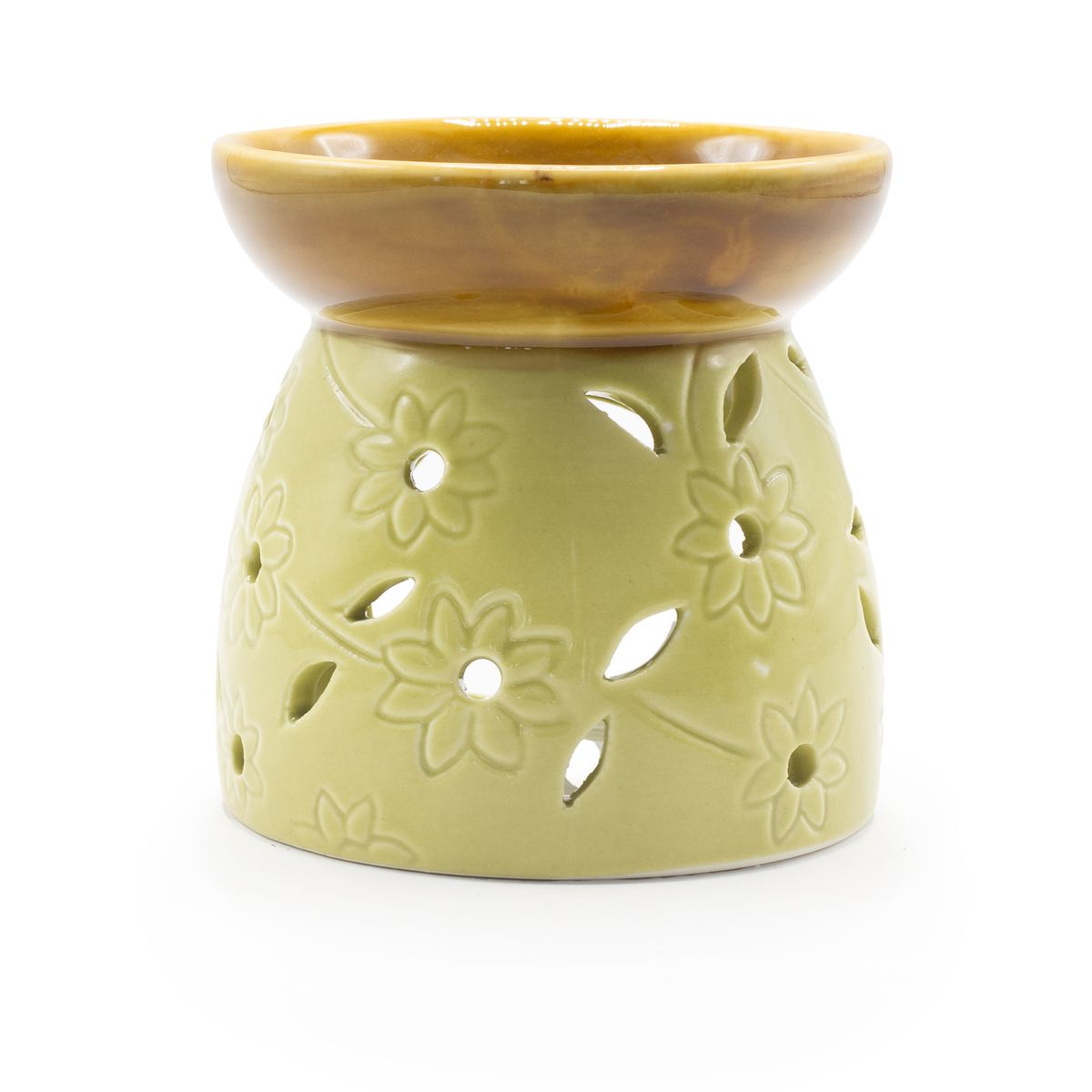 Classic Oil BurnerSee price
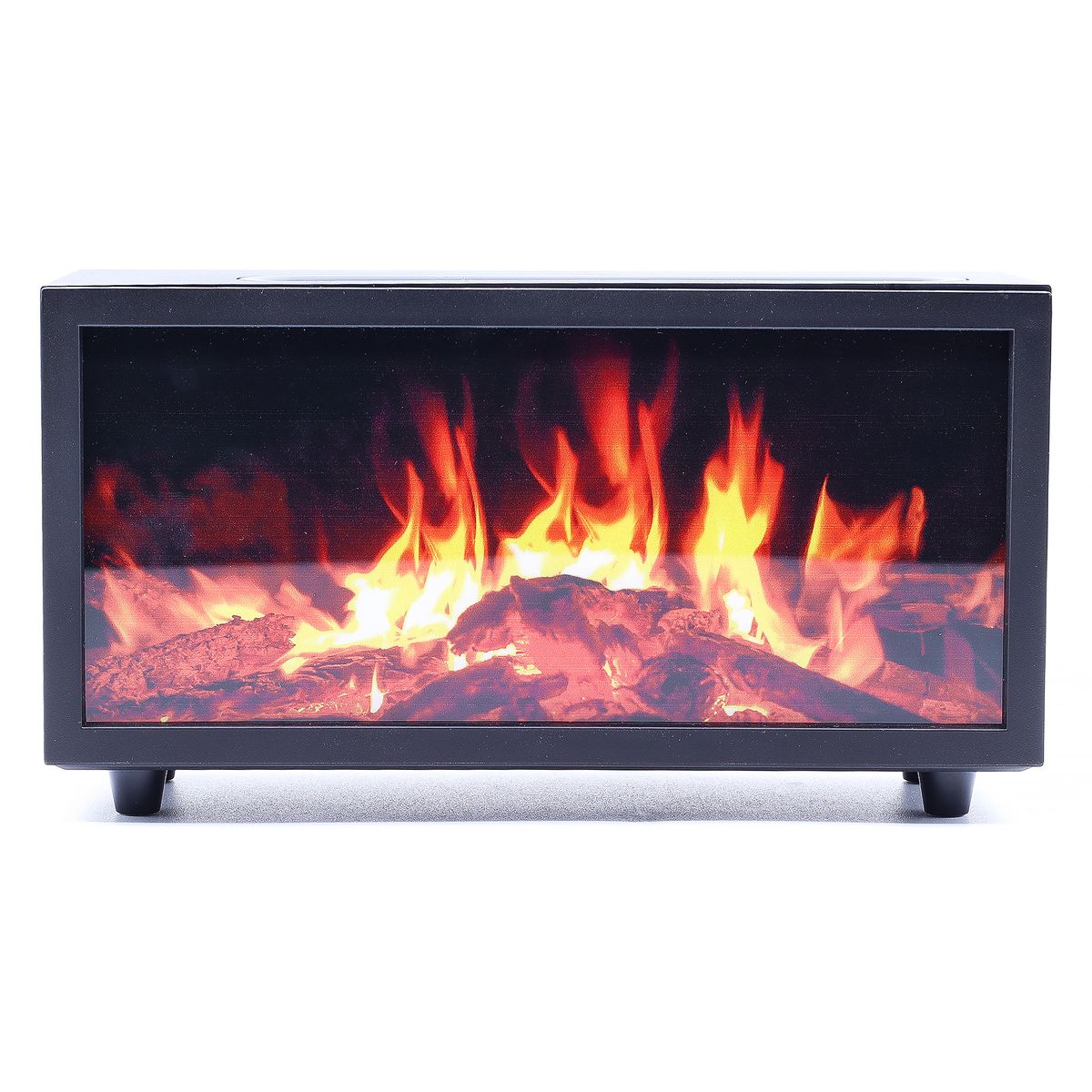 Flame Effect Aroma Diffuser with BirdsoundSee price
An aromatherapy diffuser spreads essential oil through the air. There are three main types, and each suits a different space and budget.
Ultrasonic atomisers: the everyday choice
These mix a few drops of oil with water and turn it into a fine, cool mist, usually with a colour-changing light and a timer. They're quiet, easy to clean and good for bedrooms, offices and living rooms. The Aarhus atomiser and the Copenhagen atomiser both run from USB, so they work from a laptop or a plug adapter.
Nebulisers: strongest scent, no water
A waterless nebuliser diffuser breaks pure oil into tiny particles without water, so the fragrance is stronger and truer. It uses more oil, so it's best for short sessions in bigger rooms.
Oil burners: simple and traditional
An oil burner warms oil or wax melts in a dish over a tea light. There's nothing to plug in, and a ceramic burner makes a nice ornament too. As with any flame, never leave it unattended.
Something different
For a statement piece, the flame-effect diffuser with birdsong shows a flickering flame light, and the Viennese atomiser has a Bluetooth speaker built in.
Using essential oils safely
- Follow the drops guide in your diffuser's instructions; more isn't better.
- Don't use undiluted essential oils on skin, and keep them away from children and pets. Some oils are not safe around cats and dogs, so check before using them near pets.
- If you're pregnant or have asthma or another health condition, check with a pharmacist or GP before using essential oils.